Blog
-
Trx Gas Fees Explained: Benefits, Costs, and Smart Savings
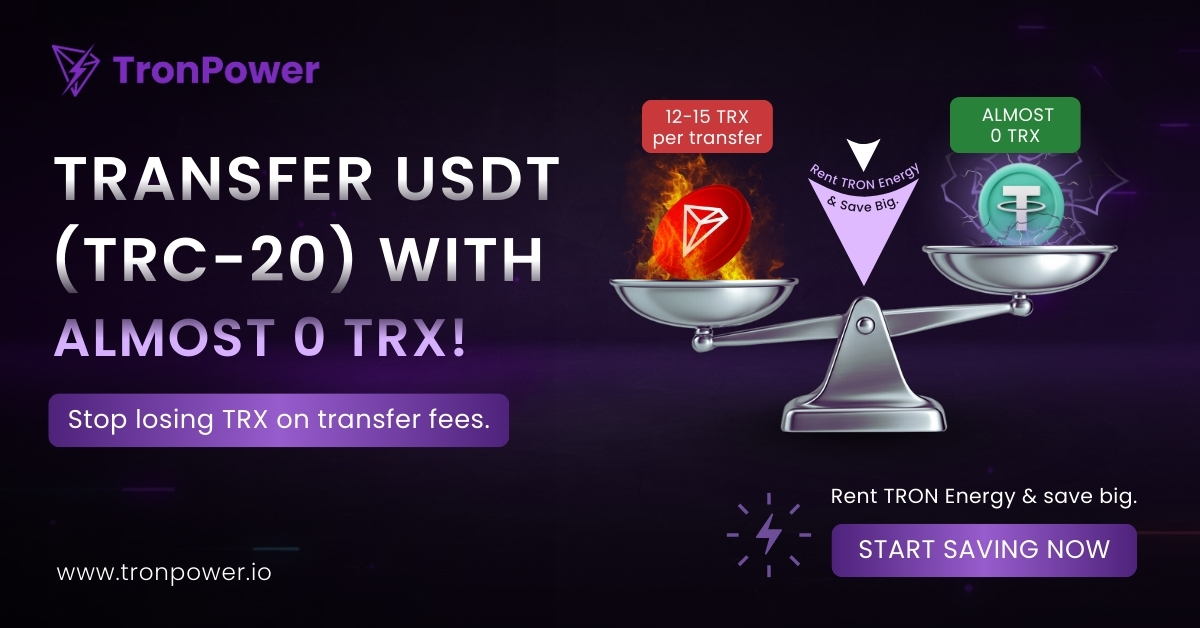
Introduction to Trx Gas Fees
Trx Gas Fees are the transaction costs paid when you send, receive, or interact with smart contracts on the TRON blockchain. These fees keep the network fast, secure, and reliable. If you use TRON-based wallets, dApps, or exchanges, understanding Trx Gas Fees helps you save money and avoid failed transactions.
Unlike many blockchains, TRON is known for low-cost and high-speed transactions. Still, gas fees matter, especially for frequent users. In this guide, you’ll learn how Trx Gas Fees work, why they matter, their benefits, and how tools like TronPower can help reduce costs.
What Are Trx Gas Fees and How Do They Work?
Trx Gas Fees are paid in TRX to process transactions on the TRON network. These fees cover the computing power and network resources used by validators.
TRON uses two main resources:
- Bandwidth – Used for basic transfers
- Energy – Used for smart contracts and dApps
If you have enough resources, your Trx Gas Fees can be very low—or even zero.
Role of TronPower in Gas Fees
TronPower plays a key role in reducing gas costs. When users stake TRX, they gain TronPower, which provides access to bandwidth and energy.
With enough TronPower:
- Transactions cost less TRX
- Smart contract interactions become cheaper
- Network usage is smoother
This makes TronPower a valuable asset for active TRON users.
Benefits of Trx Gas Fees
1. Very Low Transaction Costs
One major benefit of Trx Gas Fees is affordability. Compared to Ethereum or Bitcoin, TRON fees are extremely low.
Key advantages:
- Ideal for micro-transactions
- Suitable for high-volume transfers
- Friendly for beginners and businesses
2. Fast Transaction Speed
Low gas fees support faster confirmations. Most TRON transactions complete in seconds.
This means:
- Better user experience
- No long waiting times
- Efficient dApp usage
3. Flexible Resource Model
The resource-based system gives users more control.
You can:
- Stake TRX to earn TronPower
- Reduce or eliminate Trx Gas Fees
- Plan transactions more efficiently
4. Scalable for dApps and DeFi
Developers love TRON because predictable Trx Gas Fees make app costs stable.
This helps:
- DeFi platforms
- NFT marketplaces
- Gaming and payment apps
How to Reduce Trx Gas Fees Using TronPower
Stake TRX for TronPower
Staking TRX is the easiest way to lower fees.
Benefits of staking:
- Gain TronPower
- Receive free bandwidth and energy
- Reduce dependency on paid gas
Optimize Transaction Timing
Network activity affects fees.
Tips:
- Avoid peak usage times
- Batch transactions when possible
- Monitor wallet resource levels
Use Smart Wallets and Tools
Many wallets show resource usage before sending.
Good tools:
- TRON-compatible wallets
- Resource calculators
- Platforms offering TronPower management
Common Use Cases Where Trx Gas Fees Matter
Trx Gas Fees impact daily blockchain activity, such as:
- Sending USDT (TRC-20)
- Using DeFi platforms
- Minting or transferring NFTs
- Playing blockchain games
In these cases, having enough TronPower can save significant costs over time.
Frequently Asked Questions About Trx Gas Fees
FAQs
What are Trx Gas Fees paid in?
Trx Gas Fees are paid in TRX, the native token of the TRON blockchain. Fees depend on bandwidth and energy usage.
Can Trx Gas Fees be zero?
Yes. If you have enough bandwidth and energy from staking, Trx Gas Fees can be zero for many transactions.
How does TronPower help reduce fees?
TronPower provides access to network resources. More TronPower means less TRX spent on gas.
Are Trx Gas Fees cheaper than Ethereum?
Absolutely. Trx Gas Fees are significantly lower than Ethereum gas fees, making TRON more cost-effective.
Do smart contracts cost more gas?
Yes. Smart contracts use energy, which can increase Trx Gas Fees if you lack sufficient TronPower.
Is TronPower only for developers?
No. Any TRON user can stake TRX and benefit from TronPower, including casual users and traders.
Conclusion: Key Takeaways on Trx Gas Fees
Trx Gas Fees are a major reason why TRON remains a popular blockchain. They are low, fast, and flexible. By understanding how fees work and using TronPower wisely, users can save money and improve their experience.
Summary of Key Points
- Trx Gas Fees are paid in TRX
- Fees depend on bandwidth and energy
- TronPower helps reduce or eliminate fees
- Staking TRX is the best cost-saving strategy
- Ideal for DeFi, NFTs, and daily transfers
For users who want a smarter way to manage resources, tronpower.io offers professional services to rent, manage, and optimize TronPower. Their solutions help reduce Trx Gas Fees efficiently without locking up large amounts of TRX.
By using the right tools and knowledge, you can enjoy the full power of TRON with minimal costs.